Question for you! Which is more interesting?
Here’s version A:
Great business is about disciplined people, thought, and action, leading to sustainable, compounding results.
Hmm…Okay, sure. And what about version B?
Great CEOs are not flashy visionaries. They are quiet, self-effacing, but fiercely determined. Think of Darwin Smith of Kimberly-Clark—he didn’t court attention but made bold moves (like selling the paper mills) to transform the business. Ego was put in service of the mission. Forget strategy, tech, or vision at the outset. Instead, focus on getting the right people on the bus (and wrong ones off). Once the team is aligned, the direction will emerge. It’s about talent, alignment, and fit before big plans.
These are both summaries of Jim Collins’ classic business book, “Good to Great.” And version B, while still pretty succinct, tells me so much more than the sterile summary in version A.
I know that I often preach the power of hyper-simplifying your ideas, but I want to consider what we gain when we spare no detail and start with the whole story.
Why you should start with the full version of your idea
Earlier this month, I sat around a table with two people who had a story to tell.
“Should we start with the outline we prepared?” they asked.
No, thank you. I had just three hours to find out their story and understand how to tell it. I didn’t want a pre-polished outline with neat headers and summarized bullet points. I wanted to start at the beginning.
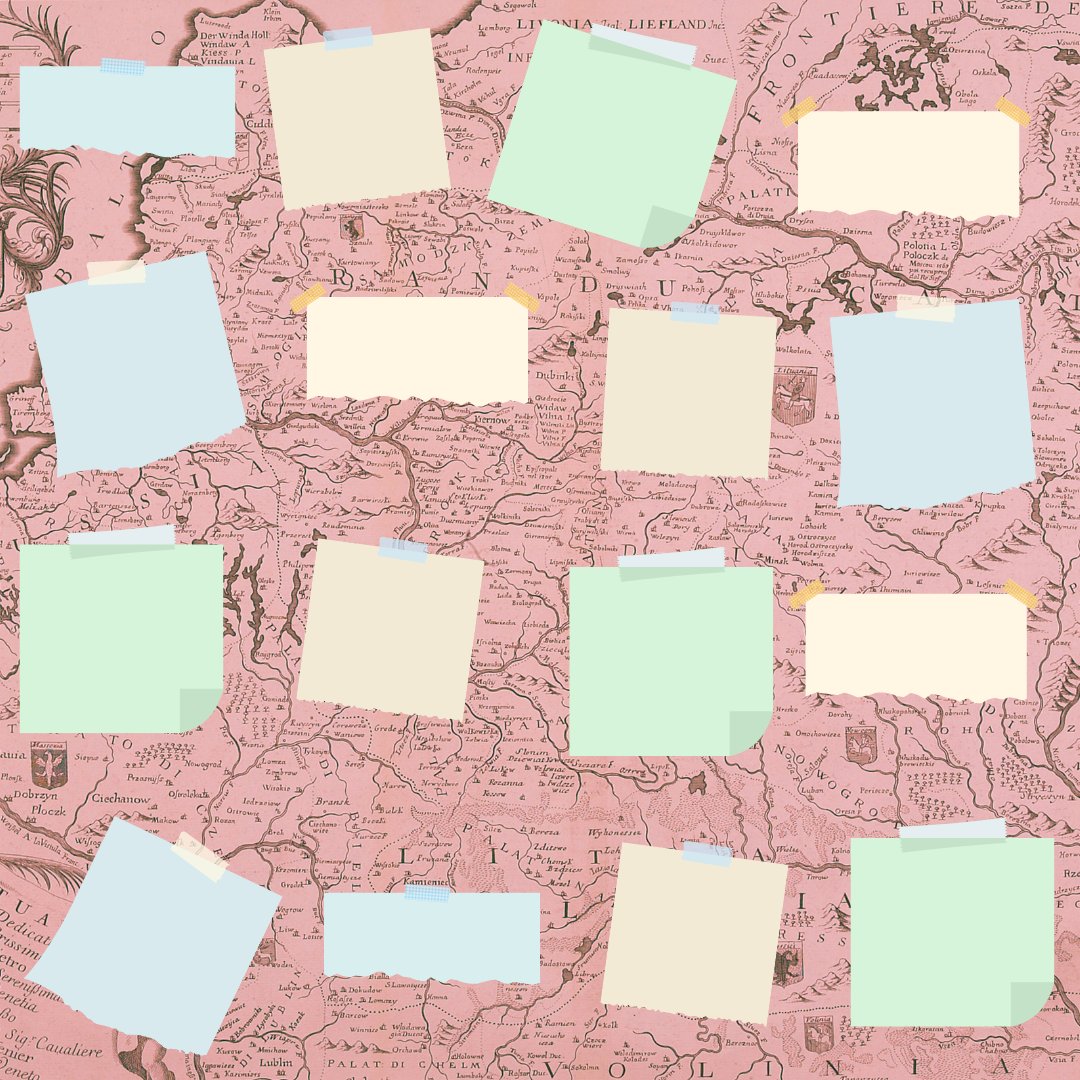
So for the next three hours, they talked. I listened and scribbled the words, stories, stats, and ideas I heard onto individual Post-it notes. The longer they talked and the more questions I asked, the more my collection of Post-its grew, until we could all see the story taking shape. There was a clear arc — a beginning, middle, and end.
They kept talking, and I started arranging those Post-its chronologically on the wall. I started with the context at the beginning, moved to the peak of their argument in the middle, and clumped all of the “What’s next” stories at the end. I still had a few Post-its without a home, and we talked through where each of those ideas might fit.
This is my favorite way to kick off a big project. I get to hear all of the most important ideas, off the cuff and without a neatly scrubbed document mediating.
I learned this process years ago when I worked on my first book project. The senior ghostwriter on the job showed me how to use the simplest of tools (a fresh stack of Post-it notes) and a long stretch of an afternoon to lead a brainstorm that turns into a book’s table of contents.
But this “whole story” approach can help you whether you’re outlining a book, preparing a speech, or building a strategy to be known for your ideas.
As writers and thinkers, we have plenty of tools to help us edit, shorten, and essentialize. But sometimes, we need to invest the time and energy into a long, unedited brainstorm to pull out the raw material we need, well before we start summarizing and editing.
So if you’re trying to talk about your work, but you’re feeling stuck or unsure, maybe you don’t need to simplify. Maybe you need to tell your whole story first and find what sticks.